

What Is a Nourishing Herbal Infusion?
An herbal infusion is similar to tea, but much stronger and more mineral-rich. The primary differences lie in both the amount of plant material used and the length of time the herbs are steeped.
With tea, we typically use a small amount of plant material and steep it for about 5–10 minutes. With a nourishing herbal infusion, we use one full ounce of dried herb and allow it to steep for eight hours or longer. This extended steeping time allows water-soluble vitamins and minerals to be fully extracted from the plant.
I have been working with nourishing herbal infusions since 2019, and what continues to reveal itself through this practice is how powerful consistency can be. These herbs work behind the scenes, strengthening the body slowly and intelligently, aligning us with the natural rhythms of the seasons. Astragalus, especially in winter, has become a reminder that true vitality is built through patience, nourishment, and reverence for the body as sacred ground. When we tend to ourselves in this way, we become a vessel capable of holding inspiration, guidance, and creative life force.
Nourishing herbal infusions are one of the most effective ways to deliver bioavailable minerals into the body. Unlike capsules or isolated vitamin supplements, herbs remain in their whole, natural form. They are simply dried and prepared in a way that allows the body to recognize and assimilate their nutrients with ease.
Through herbal infusions, we receive minerals such as calcium, magnesium, phosphorus, iron, copper, potassium, selenium (and many more) in the exact combinations found in nature. This synergistic balance makes these nutrients easier for the body to absorb and utilize. Rather than extracting a single vitamin and compressing it into a pill, herbal infusions honor the intelligence of the plant itself.
What “Infusion” Means in Herbalism
In herbalism, the word infusion refers specifically to the method of extraction: using water and time to draw nutrients from plant material.
Other herbal preparations use different mediums:
- A decoction uses water and prolonged simmering on the stove, often for roots and tougher plant material
- A tincture uses alcohol to extract both water- and alcohol-soluble constituents
Herbal Infusions and the Body/Spirit Connection
When we work with organic herbs, we are working directly with what the Earth provides to strengthen and restore the body. Caring for the physical body in this way strengthens the spiritual body as well. We should never neglect the physical body as something “unspiritual” or unrelated to our soul. The two are deeply and magnificently intertwined, and to neglect one is to neglect the other. We must be vigilantly and vehemently against religious programming that deliberately turns us against our own bodies.
When the body is properly nourished, it becomes fertile soil for spiritual guidance to land, take root, and be expressed through our words, actions, and creativity. Nutrition, ritual, and herbal practice will work to support our capacity to receive and translate insight.
A Seasonal Practice: Astragalus is a Winter Herb
I want to share how you can create nourishing herbal infusions at home using herbs such as oat straw, chickweed, nettle, and astragalus. Each herb has its own rhythm and purpose. Today, our focus is on astragalus which is a deeply wintry herb.
Astragalus is a root traditionally used to strengthen vitality, immunity, and foundational energy, especially during colder months. In Traditional Chinese Medicine, it is considered a Qi tonic which is an herb that supports the body over time rather than forcing quick results. This makes it especially well-suited for the colder months, when the body naturally turns inward and benefits from conservation and nourishment rather than outward exertion.
Winter is a season of conservation, restoration, and deep nourishment. Astragalus mirrors this energy perfectly. It is warming, grounding, and best used consistently as a preventative ally rather than during acute illness. This makes it especially suited for long, slow infusions and daily winter rituals.
The Modulating Nature of Herbs
One of the great gifts of herbal infusions is their modulating effect on the body. Herbs do not force the system in one direction. Instead, they gently guide the body back toward balance.
For example, if an element within the body is lower than what is ideal, an herbal tonic will not overstimulate or push it beyond what is healthy. Herbs work intelligently, adapting to what the body needs in that moment. This is why many nourishing herbs are considered adaptogenic in nature. Because of this subtlety, consistency is essential. Herbal infusions work best when taken regularly, allowing their cumulative effects to nourish the body over time.
It is generally recommended to prepare nourishing infusions using one herb per batch, rather than mixing multiple herbs together. Each plant has its own mineral profile and energetic signature.
Use one ounce of a single herb per infusion. Density varies greatly. For example, one ounce of astragalus root looks very different from one ounce of oat straw, which is why measuring by weight is important.
Through regular use, nourishing infusions harmonize the body’s systems and support clarity, resilience, and vitality. The physical and spiritual bodies reflect one another, and neglecting the physical body on a spiritual path ultimately weakens both.
For women especially, this form of nourishment is profoundly restorative. These herbs work behind the scenes, at a cellular level, filling nutritional gaps we may not even be aware of. They support beauty, creativity, and connection in a way that is gentle and deeply effective.
Where to Get Herbs
One of the easiest ways to obtain herbs is by ordering from reputable online suppliers. Always choose organic herbs. I trust and use the following brands which can be found on Amazon: Frontier Co-op, Starwest Botanicals, and U.S Wellness Naturals. This is essential because the infusion process uses boiling water to fully extract nutrients and if herbs are not organic, that same process will extract pesticides and chemical residues into your infusion. Organic only.
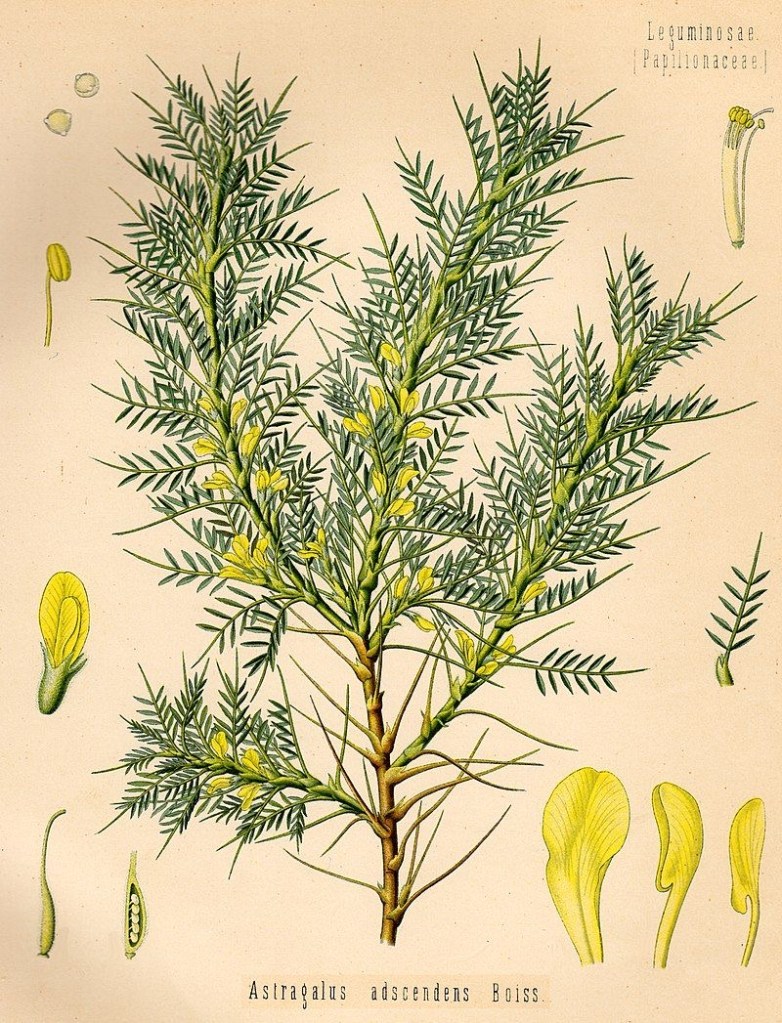
Astragalus Profile
Botanical name: Astragalus membranaceus
Plant part used: Root
Taste: Mildly sweet, earthy
Energetics: Warming, strengthening, grounding
Seasonal affinity: Winter
Astragalus is a nourishing root traditionally used to support vitality, immunity, and long-term resilience. Rather than acting as a stimulant, it works slowly and steadily, building the body’s foundational strength over time.
Why Astragalus Is Ideal for Winter
Winter is a season of storage, restoration, and strengthening. Astragalus mirrors this rhythm. As a warming root, it offers gentle support to the immune system and helps the body adapt to seasonal stressors without forcing or overstimulating.
Astragalus is best used preventatively and consistently, rather than during acute illness. Traditionally, it is not recommended when a fever or active infection is present, as it is considered a “building” herb rather than one that helps release pathogens.
Astragalus lends itself beautifully to long infusions and decoctions. When prepared slowly, its minerals and polysaccharides are gradually released into the water, creating a grounding, subtly sweet infusion that supports the body over time. This makes astragalus an ideal companion for a winter infusion practice, when nourishment and consistency take precedence over quick results. Used regularly, astragalus supports endurance, balance, and vitality which strengthens the body in a way that is cumulative and aligned with the season.
How to Make a Nourishing Herbal Infusion
Ratio:
1 ounce dried herb : 1 quart water
Use a kitchen scale to measure the herb accurately. Once measured, place the herb into a one-quart glass jar. Fill the jar completely with purified, boiling water.
Cover with a screw-top lid and let the infusion steep overnight. Herbs require two things to release their minerals: heat and time.
The next morning, strain the liquid into another glass jar. Drink the infusion before coffee or food if possible.
Working with nourishing herbal infusions invites us into a slower relationship with our bodies and with time itself. Astragalus teaches this especially well in winter. Through regular, intentional nourishment, the body becomes resilient, receptive, and aligned with its own intelligence.
Your message has been sent








 VALERIE CODY